The honest conversation
Sensing someone clearly doesn't mean the drawing is ready yet.
So let's be real. You're developing as a spirit artist. You can draw a circle for the head, raisins for the eyes, a banana shape for the mouth and a triangle for the nose... all right, maybe not quite that dramatic. But the excitement of what you sensed is often running well ahead of the drawing skills needed to show it. That gap is exactly why so many beginners post their earliest portraits straight onto social media. It makes sense: you've just had a powerful experience, sharing it makes it feel real, and every like and kind comment gives you a little burst of proof that you're on the right track. It feels like progress.
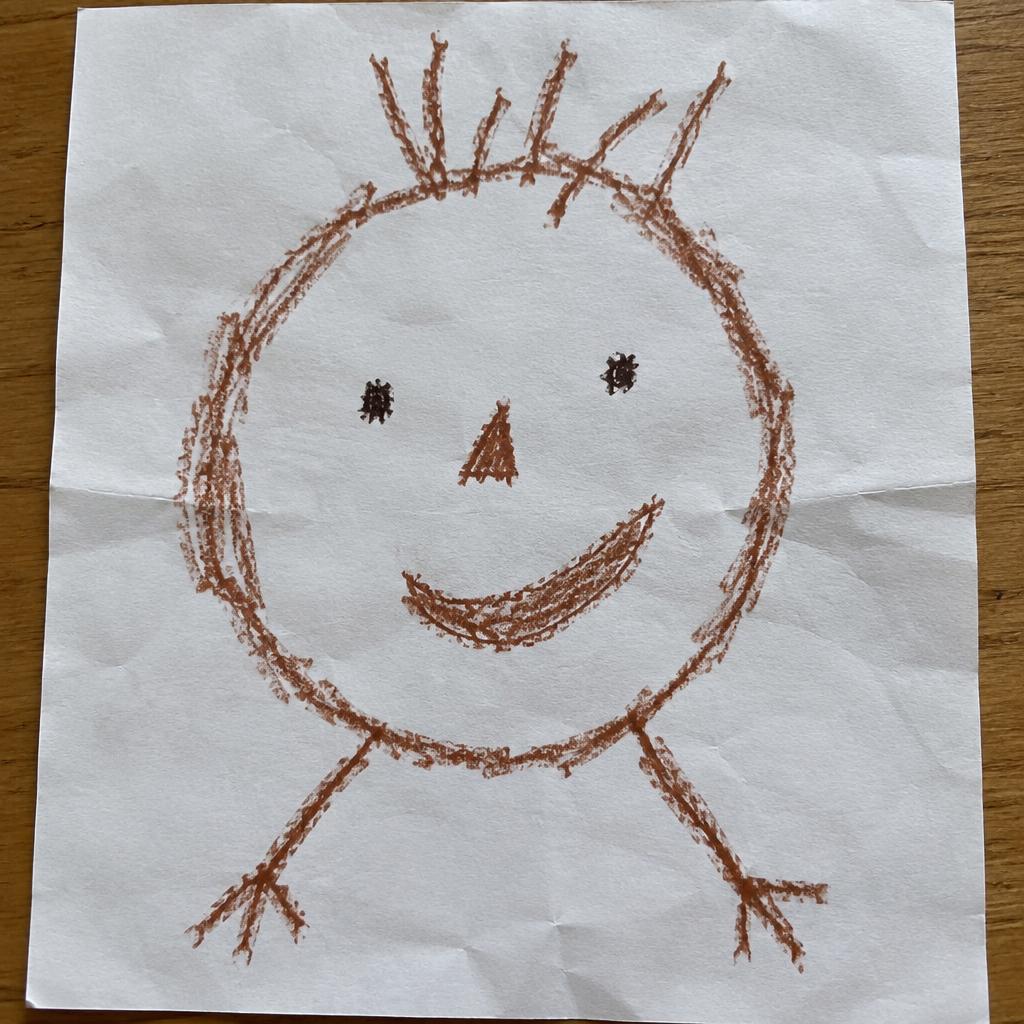
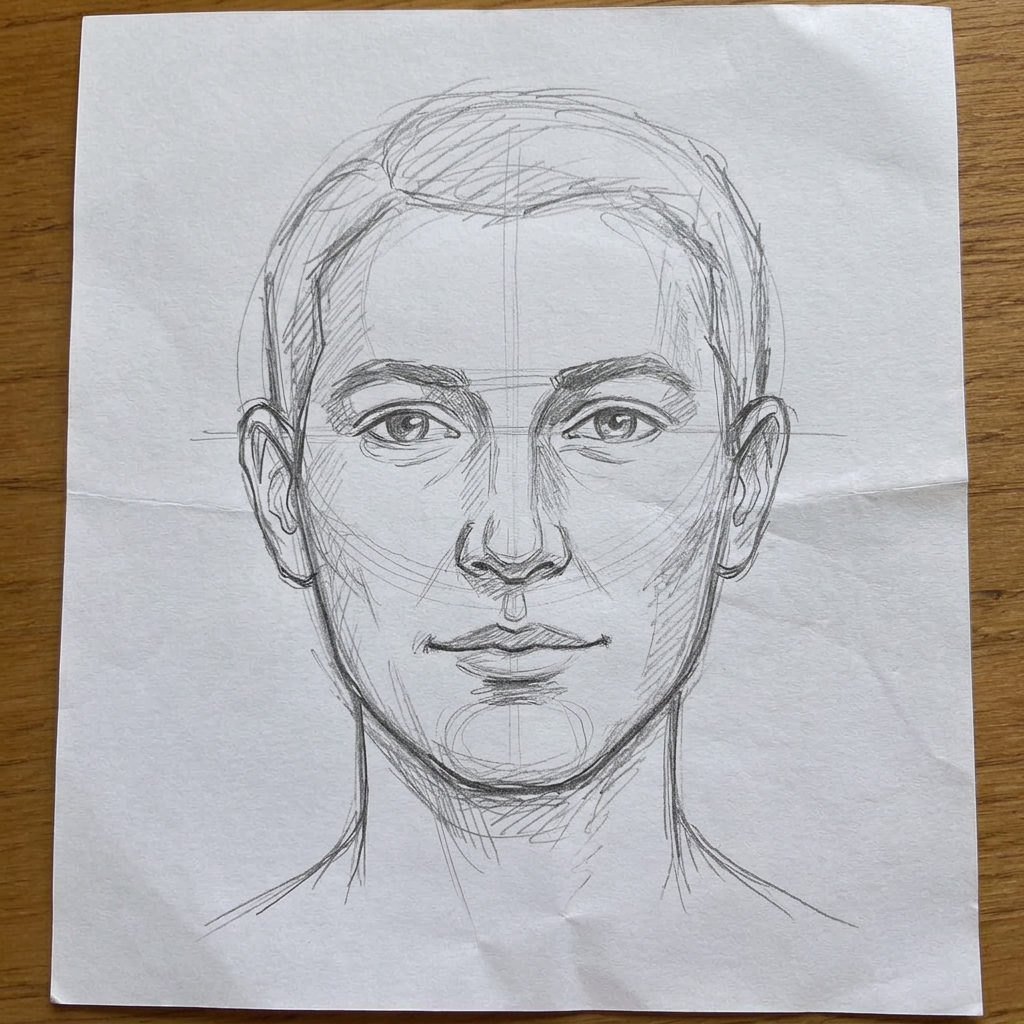
Which style would you rather showcase publicly, or demonstrate with?
The honest part
The internet grades the drawing, not the experience.
Here's the honest part. The internet doesn't grade you on effort, or on how strong the connection was. People judge the drawing they can see, and first impressions stick. A portrait shared before it's ready is remembered long after you've improved, and some viewers quietly decide that's your level and never look again. That's a hard reputation to win back. Neutralise the skill first: develop the drawing quietly, get honest feedback in private, and when a portrait genuinely says what you sensed, share it. Then it makes the strong impression you wanted all along.
Uploading your drawings to a group Facebook page that welcomes spirit art is a good step — the encouragement is genuine, and showing your work is part of learning. But keep one honest question in mind. If you start to demonstrate to the public while your mediumship and your drawing are still at a beginners level, people will congratulate your efforts — and some will quietly judge whether your skill is really public-ready. You shouldn't over-worry what people think. The judgement worth sitting with is this: are you offering your best, as a spirit artist who can offer a much higher likeness? So, if yes. Let the drawing earn the platform.
You can sense the person clearly, feel the connection, and want to do them justice, before your drawing skills are quite ready to. That's completely normal. Excitement, wanting to do well, and simply not yet knowing what a trained eye would notice can all make us keen to share early work.
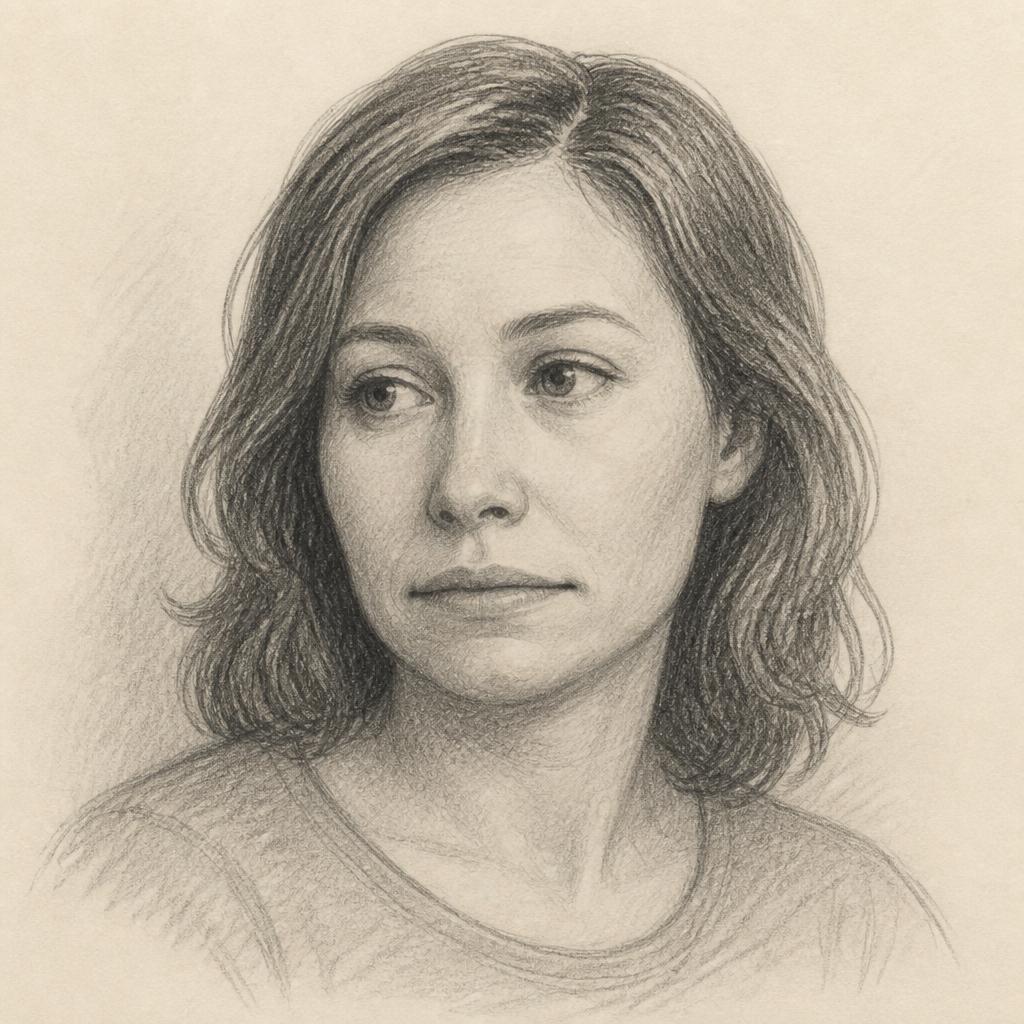
The value of what you experienced does not depend on the drawing being ready for display.
If you've drawn a spirit communicator, they deserve to be drawn well. Proportion, structure, tone and likeness all help the face on the paper match the person you sensed. Drawing better doesn't quieten your intuition — it gives you a clearer way to show what you see.
You don't have to hide your early work or feel embarrassed by it. Keep it as a record of where you started, get some good guidance, and share a portrait publicly when the drawing itself — not just the feeling behind it — says what you hoped it would.
Before you share
Before you share...
Sharing our work can be part of growing as an artist. But there is also value in knowing why we are ready to share it.
Tap each card below and answer three quick questions, just for you. Nothing you answer is saved or sent anywhere.
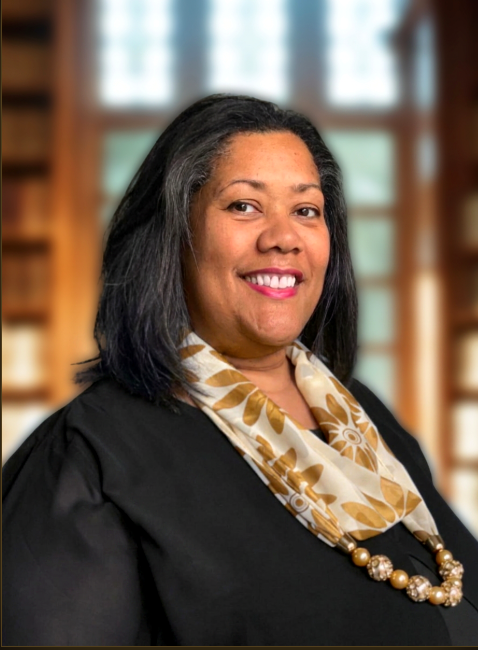
From Anne-Marie
Who this website is for.
As a working Spirit Artist Medium, I've designed this website to support you, whether you're a complete beginner (no idea how to draw) or a more advanced artist. You need to decide: do you want to upload a drawing and get a score, or do you want to do a full course to learn, gain feedback and grow? You can mix both if you like.
Some lessons and reports need credits to unlock, but you earn free credits as you go, so you can make real progress without spending anything. How credits work
Have fun, take your time understanding the Studio layout if it's your first time, and welcome to the upgrade in your drawings. Anne-Marie x
Practice that works
Am I practising — or just repeating?
Repetition
- Draw
- Draw
- Draw
- Draw
More drawings. Similar difficulties.
Development
- Draw
- Assess
- Learn
- Practise
- Draw Again
Each portrait teaches you something for the next.
Drawing regularly matters. But repetition alone doesn't guarantee improvement.
Development happens when you begin to notice what your hand is doing, understand what needs attention, practise it deliberately and then apply it to the next portrait. That is the purpose of Spirit Art Mentor. It gives you something useful to do between one drawing and the next.
Practise with others
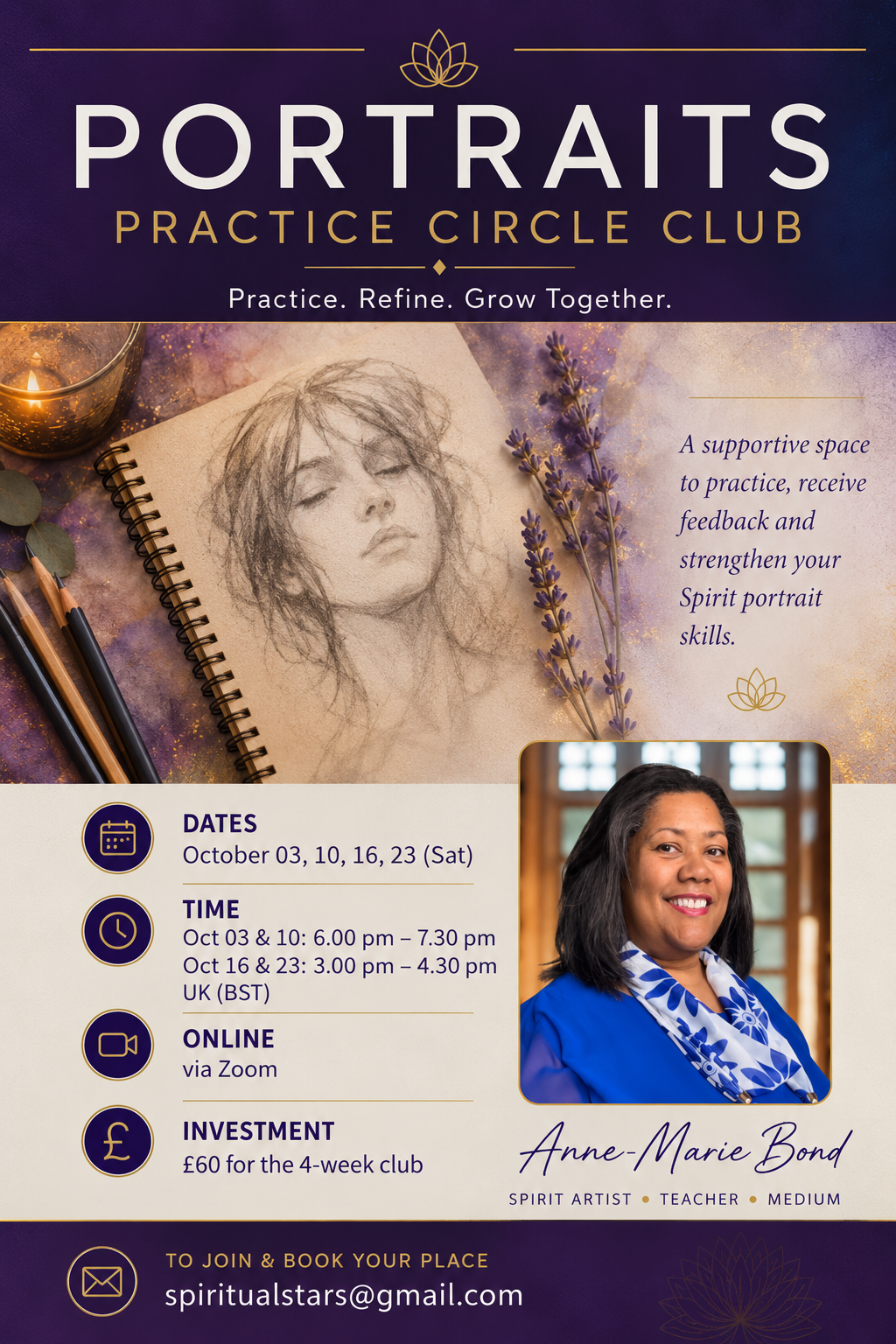
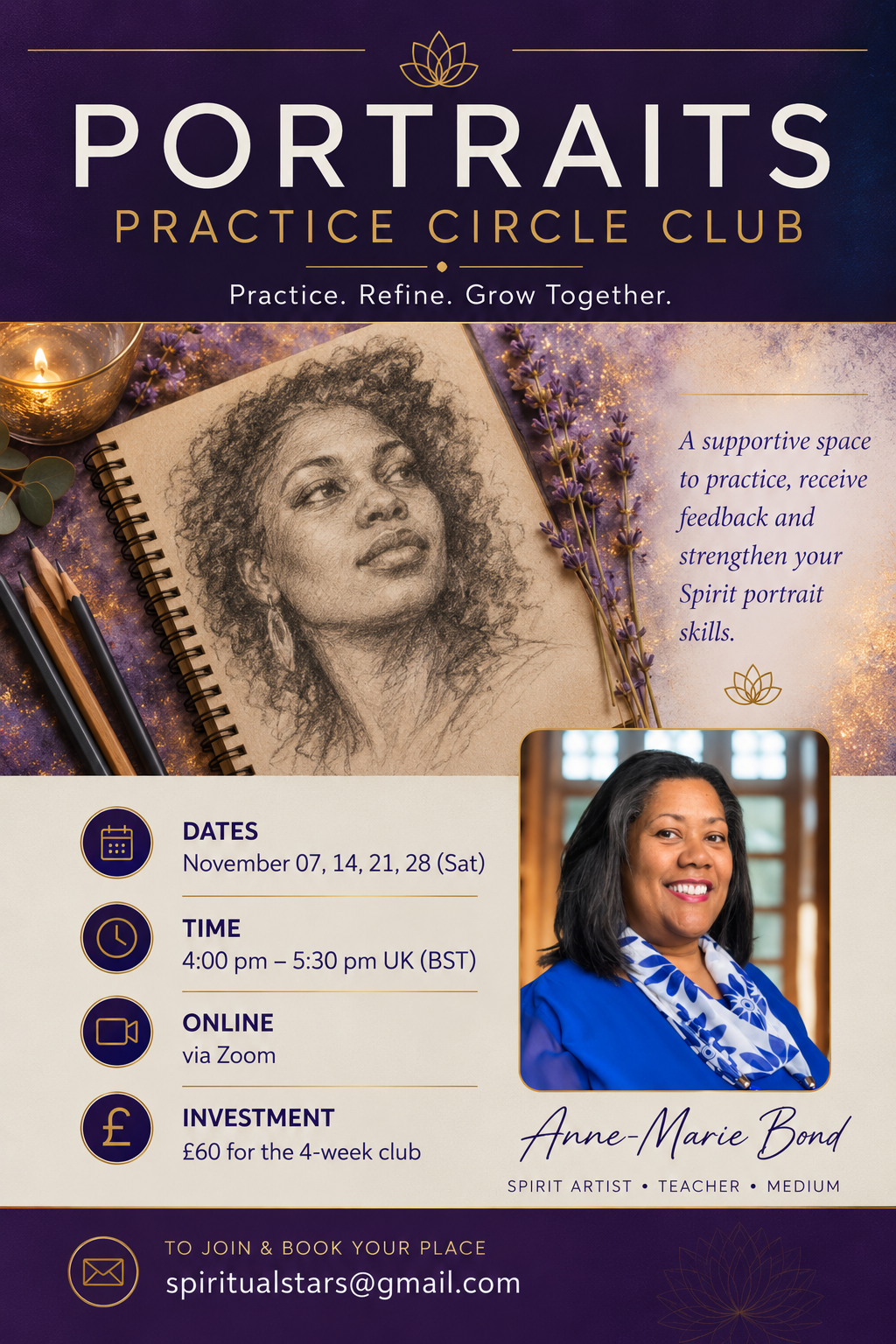
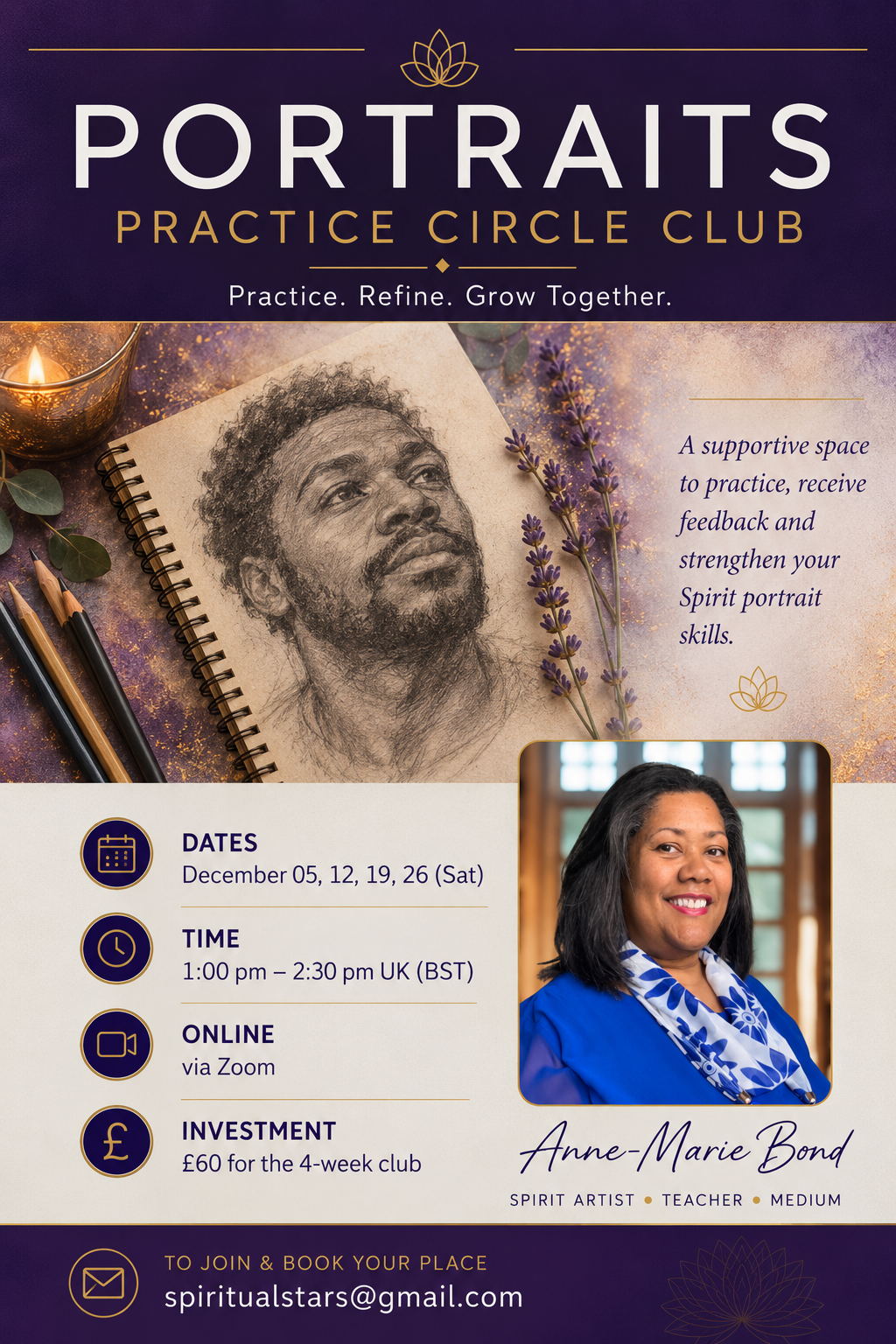
The Portrait Practice Circle — drawing alongside others, with a trained eye in the room.
Practising on your own builds skill, but drawing alongside other students stretches you in a different way. Faces, expressions, realism — the weekly Portrait Practice Circle gives you regular challenges that are hard to set for yourself, and honest oversight of your work while you draw, not after it.
And this isn't just a group that gathers to draw. Every session is guided by Anne-Marie, a working Spirit Artist and a teacher of more than 25 years. She can spot the lessons each person needs in the moment — and, together with the intuitive input of her spirit team, help you reach a deeper level than you'd get to on your own.
Upcoming dates — Saturdays, online via Zoom
- October: 3, 10, 17 & 24 — Oct 3 & 10 at 6.00–7.30 pm, Oct 17 & 24 at 3.00–4.30 pm (UK time)
- November: 7, 14, 21 & 28 — 4.00–5.30 pm (UK time)
- December: 5, 12, 19 & 26 — 1.00–2.30 pm (UK time)
3 months
of Portrait Practice Circles
2 lessons
each month, minimum
1 free
Mentor Report credit
That's not the reason to come; the reason is what regular practice with a trained expert does for your drawing. The credit simply marks the work you've put in.
Couple the circle with the development programme on this website, commit to one year of continuous practice, and you will see your progress — in your scores, in your confidence, and in portraits that finally say what you sensed.
A mentor in your pocket
Not another class to keep up with. A Studio that keeps up with you.
Learn when it suits you
Open the Studio whenever you have time — for a full lesson or one useful tip before you draw.
Go at your own pace
Pause, repeat and go back over lessons without holding up a class or feeling rushed.
Feedback on your actual drawing
A Mentor Report looks at the portrait you actually made and gives you one clear thing to work on next.
Nothing gets forgotten
Lessons and reports stay in your Studio, so you can check them while you draw instead of trying to remember a demonstration.
Build your confidence in private
Practise on your own, watch your work improve over time, and share a portrait when you feel it's ready.
Think of Spirit Art Mentor as the mentor you can return to between classes, circles and workshops — when the drawing is actually in front of you and you need to know what to work on next.
Why the order matters
Build in the order a portrait needs.
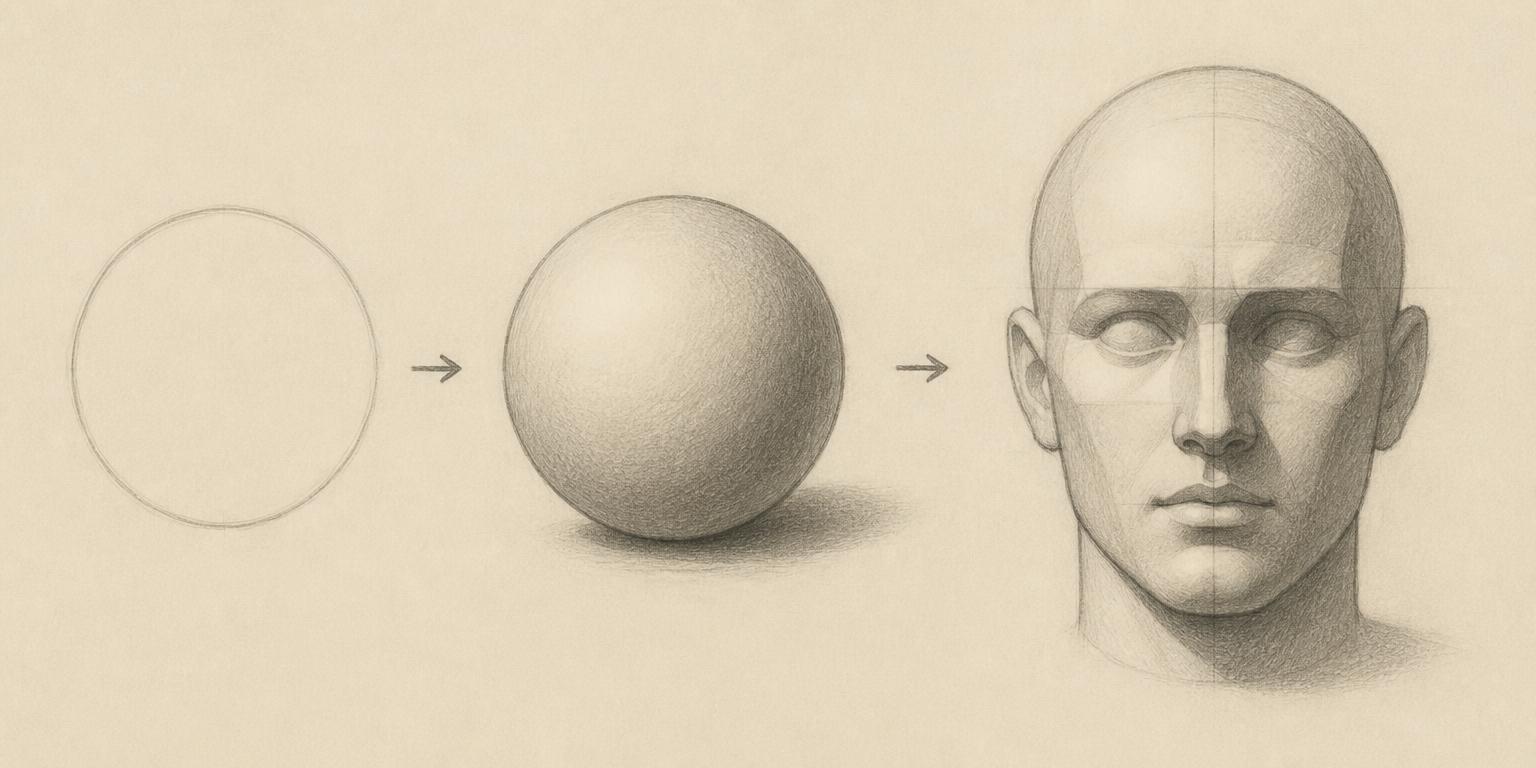
Portrait skills build on one another. Proportion supports likeness. Structure gives features somewhere convincing to sit. Tone creates form. Observation helps you recognise what needs changing.
Learning in a set order means each stage supports the next — rather than picking lessons at random and hoping they add up.
Development Plan — Coming Soon
A six-week pathway is on its way.
The plan will link weekly lessons, focused practice and feedback in an order that makes sense. It isn't open for enrolment yet — but you can start learning now in the Learning Library.
Your next portrait starts here